
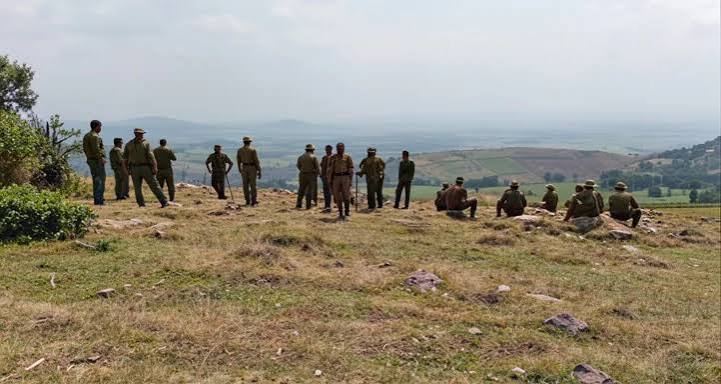
The recent clashes along the Kisii–Transmara border have once again exposed the devastating consequences that community conflict can have on ordinary people. The latest violence reported on August 23, 2026 left two people dead, several others injured and farms torched. Businesses have closed, movement has been disrupted and activities that form part of everyday life have been brought to a halt.
While investigations continue into the immediate circumstances surrounding the latest confrontation, the situation reflects wider tensions that have repeatedly affected communities living around the border. Such incidents should not only be viewed through the number of casualties. Behind every confrontation are families facing loss, businesses losing income, farmers unable to access their land and communities living with fear and uncertainty.
The effects extend beyond the immediate area of violence. When insecurity prevents people from travelling freely, opening businesses, attending school, farming or accessing essential services, the economic and social fabric of a community is weakened. Small businesses depend on daily movement and customers, farmers depend on access to their land and markets, while students and families depend on safe roads and stable communities to continue with their normal activities.
Repeated conflict can also create deeper divisions between neighbouring communities. Fear and mistrust can replace the relationships that are necessary for communities to trade, work and live alongside one another. When violence becomes recurrent, its consequences can extend beyond the immediate incident, affecting young people's opportunities, household incomes and the ability of communities to plan confidently for the future.
The current situation therefore raises a broader question about the kind of communities Kenya wants to build. Development cannot be separated from peace and social stability. Infrastructure, education, technology, entrepreneurship and economic opportunities have limited value when people cannot safely use them or when insecurity repeatedly interrupts their daily lives.
For Science Horizons Kenya, this reality connects directly with the importance of science, innovation, human rights and community empowerment in Kenya's development. The organisation's mission and vision are centred on using knowledge, innovation and community-focused initiatives to contribute to a more empowered and resilient society. Communities need an environment in which people can learn, work, innovate and pursue opportunities without fear.
The Kisii–Transmara clashes are therefore not only a reminder of the human cost of violence, but also of the development cost of prolonged insecurity. As efforts continue to restore calm, the priority must remain the protection of lives, the restoration of normal community activities and the rebuilding of trust among affected communities. Sustainable development is ultimately built on communities that are safe, stable and able to move forward together.