
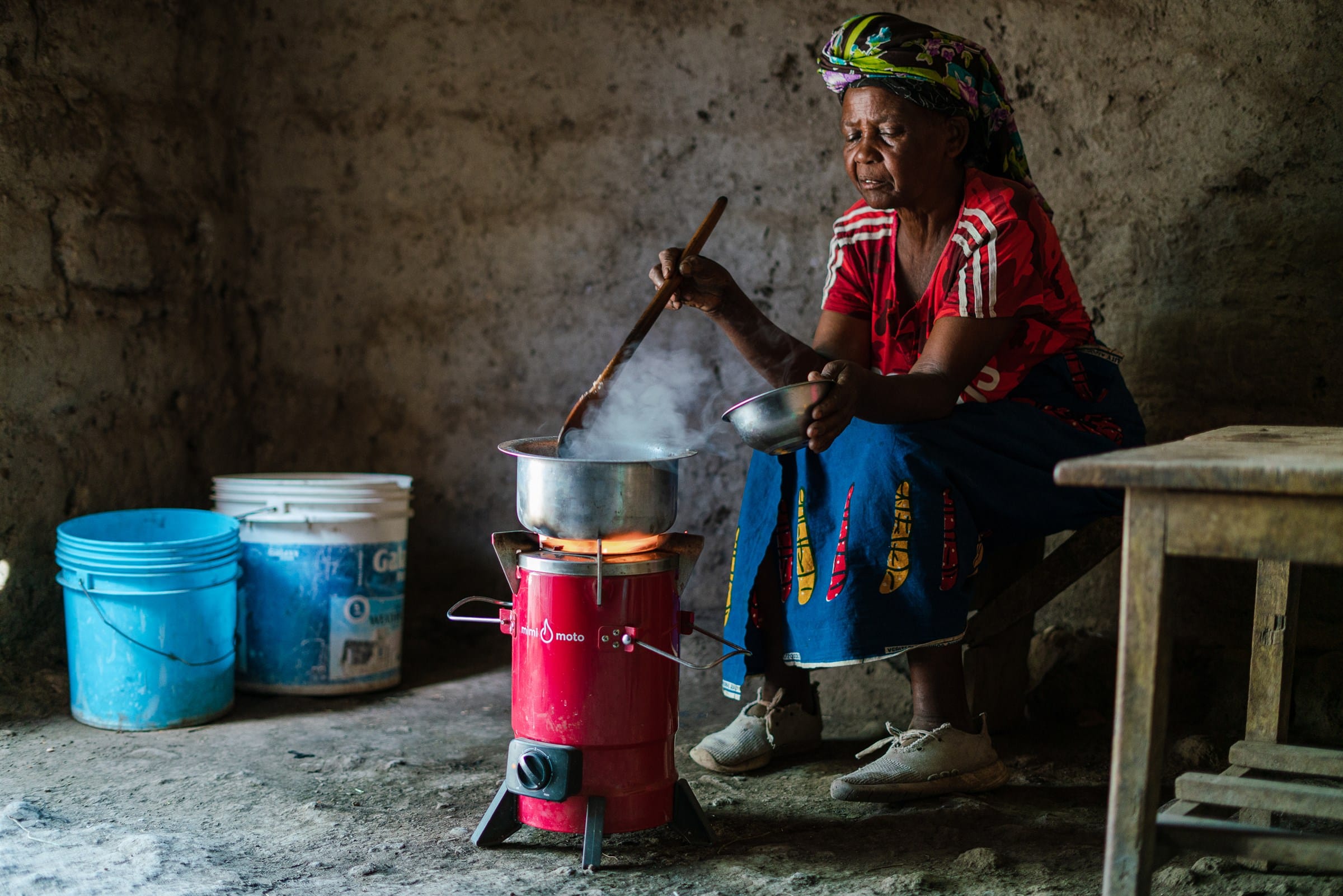
Africa’s transition to clean cooking is becoming an important test of how technology, finance and innovation can address everyday challenges while advancing sustainable development. A recent report published from Nairobi on 7 September 2026 highlights the growing role of carbon finance in making clean cooking technologies more accessible across Africa.
The scale of the challenge is significant. Nearly 1 billion Africans still rely on charcoal and firewood for cooking, contributing to approximately 850,000 deaths each year from household air pollution.
Turning a Challenge into an Opportunity
Clean cooking technologies, including efficient biomass stoves, pellet systems and induction cookers, are creating new opportunities for African innovation. Carbon finance is helping reduce the cost of these technologies by providing funding linked to verified emissions reductions.
In June 2026, Africa secured US$900 million in new clean-cooking commitments, bringing total commitments since the 2024 Africa Clean Cooking Summit to more than US$3.1 billion. About US$740 million of earlier commitments had already been deployed across 22 African countries.
Kenya is part of this emerging ecosystem. Nairobi-based clean-cooking company BURN has distributed more than 7.3 million cookstoves across 11 African countries, with carbon finance helping lower consumer costs. In some cases, a stove costing around US$40 can reach households for approximately US$5 after carbon subsidies.
The Importance of Data and Skills
The growth of carbon-financed technologies also highlights the importance of reliable data. Digital verification, Bluetooth monitoring and real-time usage data are increasingly being used to demonstrate environmental impact and strengthen the credibility of carbon-credit systems.
This creates opportunities for young people to develop careers in technology, data analysis, engineering, sustainability, entrepreneurship and carbon-market solutions. Kenya therefore has an opportunity not only to adopt sustainable technologies but also to develop the skills and enterprises needed to scale them.
For Science Horizons Kenya, this transition reflects the importance of connecting sustainable technology, youth empowerment and data-driven impact. Building an effective clean-cooking ecosystem requires more than technology; it requires skilled young people who can develop, deploy, maintain and improve solutions while using data to measure their results.
Clean cooking demonstrates how practical innovation can address environmental challenges while creating pathways for skills development, entrepreneurship and sustainable livelihoods.
At Science Horizons Kenya, we believe sustainable technology should not only solve today's challenges but also create opportunities for young people to shape Kenya's future.