
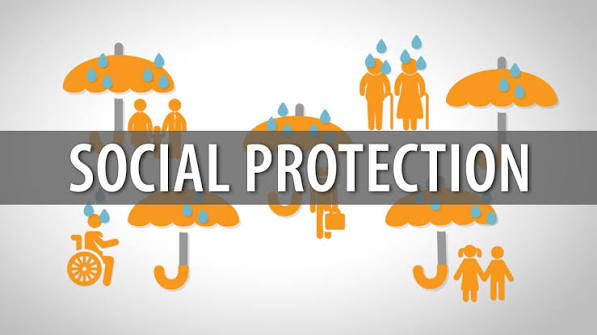
Kenya is moving toward a broader approach to social protection, with the government announcing plans to expand the Inua Jamii programme to reach 2.5 million households while strengthening the Social Protection Fund. The government has also emphasised the need to move beyond reliance on cash transfers and invest in sustainable livelihoods that can help vulnerable households withstand poverty and economic shocks.
The shift comes at an important time. While cash transfers can provide immediate relief, long-term resilience requires people to have opportunities to generate income, develop skills, access markets and build sustainable sources of livelihood.
This is particularly important for women and young people, who often face barriers to employment, finance, entrepreneurship and participation in value chains. Supporting vulnerable households therefore requires more than financial assistance. It also requires skills development, entrepreneurship support, access to productive opportunities and stronger community-based economic systems.
Recent developments in Kenya's coastal communities demonstrate what this approach can look like in practice. Stakeholders working with women in the blue economy in Kilifi have been providing entrepreneurship, communication, technology, financial management and marketing skills to help women strengthen their enterprises and participate more actively in economic value chains.
For SHK, the development reinforces the importance of an empowerment approach that focuses on helping communities build the capacity and opportunities needed to become economically resilient. Women and young people should not only be viewed as beneficiaries of social protection but as active contributors to local economies and community development.
Building sustainable livelihoods means creating pathways from support to opportunity. This can involve equipping young people and women with relevant skills, strengthening small enterprises, connecting communities to markets and technology, and supporting inclusive participation in emerging sectors.
As Kenya expands its social protection agenda, the success of this transition will depend on whether vulnerable households can move from short-term assistance toward lasting economic resilience. Investing in people's skills, enterprises and opportunities can make social protection not only a safety net, but also a pathway toward greater independence and sustainable community development.