
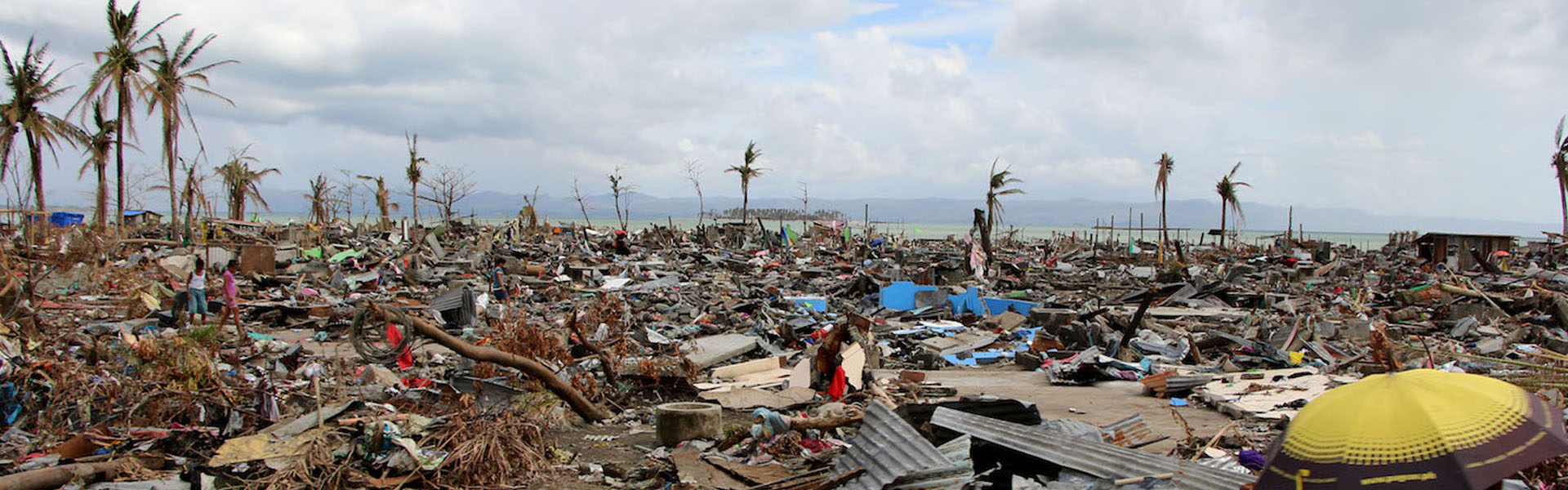
Climate change is often discussed through temperature records, rainfall measurements, and economic impact estimates. However, the experiences of communities affected by floods, droughts, and other extreme weather events offer another important source of evidence. Understanding these experiences can help researchers and policymakers develop responses that address both environmental risks and their effects on people’s wellbeing.
A recent article published by Bhekisisa explores the Wema research project, which examines how extreme weather affects mental health in African communities, including Kenya, Mozambique, South Africa, and Burkina Faso. The project brings together climate scientists, health professionals, social scientists, and community members to better understand the relationship between climate-related events and mental health.
Since early 2025, 37 women and men from marginalized communities across the four countries have participated as paid community researchers, using digital storytelling to document their experiences through personal narratives and visual artwork. Their involvement illustrates how people directly affected by climate challenges can contribute to the research processes used to understand and address them.
This approach demonstrates how research can combine quantitative and qualitative evidence. Surveys and environmental measurements help identify patterns across populations, while community stories provide insight into how climate-related events affect wellbeing, recovery, livelihoods, and access to support.
For Kenya, integrating community-generated knowledge into climate research can help institutions better understand the social consequences of environmental shocks. Digital tools, accessible research methods, and stronger collaboration between communities and researchers can contribute to more inclusive, evidence-based planning.
Such approaches can also support youth participation in research, digital skills development, and locally informed innovation. Universities, civil society organisations, and public institutions can explore practical ways to incorporate community perspectives into climate adaptation, disaster preparedness, and wellbeing initiatives.
As climate risks continue to affect livelihoods and public wellbeing, investing in community-centred research is an important part of building climate resilience. Science and innovation become more impactful when the people experiencing environmental challenges also have a role in shaping the knowledge and solutions used to address them.
For Kenya and other African countries, strengthening the connection between scientific research and community experience can help promote more responsive, inclusive, and sustainable approaches to climate action.