
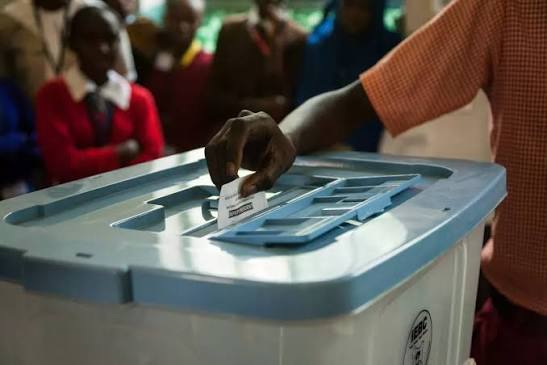
Kenya’s electoral calendar has come under fresh scrutiny following a High Court ruling declaring that the country’s next General Election was constitutionally due in August 2026 rather than 2027. The ruling identified 11 August 2026 as the appropriate date for the presidential election. However, the court suspended the effect of its declaration, meaning the country will not go to the polls this week while the legal process continues.
The decision has created a significant legal and institutional debate because the Independent Electoral and Boundaries Commission (IEBC) has already established 10 August 2027 as the date for the next General Election and has been preparing accordingly. Its Election Operations Plan outlines activities including voter registration, party nominations, candidate nominations and campaign periods leading to the 2027 poll.
At the centre of the dispute is the interpretation of the Constitution's requirement that elections be held on the second Tuesday of August in every fifth year. Different legal interpretations have emerged over how the five-year electoral cycle should be calculated, resulting in competing positions over whether the next election should be held in 2026 or 2027.
The uncertainty has implications beyond the courts. A national election requires extensive preparation involving voter registration, electoral technology, logistics, security, political party nominations, civic education and public participation. Any major change to the timetable would therefore have consequences for the IEBC, political parties, candidates, civil society organisations and millions of voters.
For citizens, the immediate priority is clarity. While the High Court ruling has introduced a new constitutional question, the suspension means the existing electoral preparations can continue as the legal process unfolds. The IEBC's current operational plan remains centred on the 10 August 2027 General Election.
The dispute ultimately highlights the importance of a predictable and constitutionally grounded electoral calendar. As the matter moves through the legal system, the outcome will help clarify not only when Kenyans will vote, but also how constitutional interpretation, judicial oversight and electoral administration should interact in protecting the integrity and stability of Kenya's democratic process.